



Carbon steel screws are indispensable fasteners in both modern industry and everyday life. They are prized for their excellent strength, durability, and cost-effectiveness. However, with the variety of types and specifications available, selecting the right carbon steel screw can be challenging. This guide will cover the types, pricing, advantages and disadvantages, surface treatments, and application scenarios of carbon steel screws to help you make the best choice for your projects.
Types of Carbon Steel Screws
Carbon steel screws can be categorized based on their carbon content and performance characteristics:
1. Low Carbon Steel Screws
Characteristics:
- Carbon Content: Typically less than 0.25%, which contributes to its ductility and ease of machining.
- Strength: Low to moderate strength but high malleability, making it suitable for applications requiring flexibility and easy formability.
- Applications: Ideal for industries such as construction, furniture assembly, and general manufacturing where ease of use and cost-effectiveness are key. They are commonly used in fastening wood, plastics, and thin metals due to their ability to be easily molded and bent without breaking.
Optimal Uses:
- Woodworking: Used in furniture manufacturing and carpentry where screws need to be driven into softer materials without splitting them.
- Sheet Metal Work: Effective in fastening thin metal sheets due to their ability to conform to the material without causing damage.
2. Medium Carbon Steel Screws
Characteristics:
- Carbon Content: Ranges from 0.25% to 0.60%, balancing strength and ductility.
- Strength: Higher than low carbon steel screws, providing better load-bearing capacity and resistance to wear and tear.
- Applications: Widely used in automotive, machinery, and structural applications where moderate strength and durability are required. These screws are often heat-treated to enhance their mechanical properties, making them suitable for heavy-duty environments.
Optimal Uses:
- Automotive Industry: Used in engine components, chassis assembly, and suspension systems where screws need to withstand high stress and vibration.
- Machinery Manufacturing: Essential for fastening components in gearboxes, bearing housings, and other mechanical parts that require reliable and durable connections.
3. High Carbon Steel Screws
Characteristics:
- Carbon Content: Between 0.60% to 1.25%, offering high hardness and strength.
- Strength: Highest among carbon steel screws, providing excellent resistance to wear, abrasion, and deformation under high loads.
- Applications: Suitable for specialized applications such as cutting tools, high-strength fasteners, and springs where extreme durability and hardness are essential.
Pricing
The price of carbon steel screws depends on their type, size, and surface treatment. Generally:
- Low Carbon Steel Screws: Generally the least expensive due to lower manufacturing costs associated with lower carbon content and ease of processing.
- Medium Carbon Steel Screws: Moderately priced, balancing increased strength and manufacturing complexity from heat treatment processes.
- High Carbon Steel Screws: Typically the most expensive due to higher carbon content, which enhances hardness and wear resistance, requiring more advanced manufacturing techniques.
Cost-Effectiveness:
- For general-purpose applications where high strength is not critical, low carbon steel screws offer a cost-effective solution without compromising on basic performance requirements.
- Medium carbon steel screws strike a balance between strength and cost, suitable for applications requiring moderate durability and load-bearing capacity.
- Reserve high carbon steel screws for applications demanding superior hardness, wear resistance, and strength, where cost considerations are secondary to performance.
Consider ordering in bulk if your project requires a large quantity of screws. Bulk purchases often result in lower per-unit costs and can streamline procurement logistics.
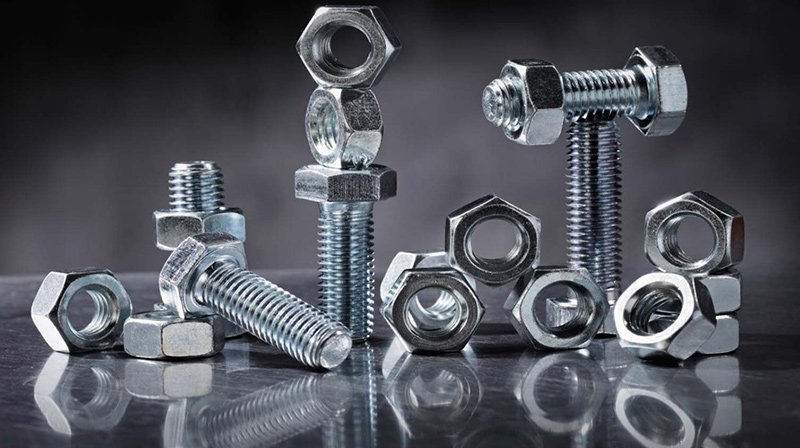
Advantages and Disadvantages of Carbon Steel Screws:
Carbon steel screws are renowned for their strength, durability, and cost-effectiveness, yet they also come with specific advantages and disadvantages that should be carefully considered when selecting them for various applications. Here’s a comprehensive exploration of the pros and cons of carbon steel screws:
Advantages
- High Strength:
- Carbon steel screws offer excellent tensile strength and hardness, making them suitable for applications requiring robust fastening solutions.
- They can withstand high loads and provide reliable performance in demanding environments such as construction and machinery.
- Cost-Effectiveness:
- Compared to stainless steel and other alloys, carbon steel screws are generally more economical due to lower material costs and ease of manufacturing.
- They provide a cost-effective solution without compromising on basic performance requirements, making them ideal for bulk and budget-sensitive projects.
- Durability:
- Carbon steel screws exhibit good wear resistance, making them suitable for applications where abrasion and friction are prevalent.
- They maintain their integrity and performance over extended periods, reducing the need for frequent replacements and maintenance.
- Ease of Processing:
- Carbon steel is relatively easy to machine, form, and heat treat, allowing for the production of screws in various sizes, shapes, and configurations.
- This versatility facilitates customization to meet specific application requirements, enhancing their utility across diverse industries.
Disadvantages
- Susceptibility to Corrosion:
- One of the main drawbacks of carbon steel screws is their susceptibility to corrosion when exposed to moisture, humidity, and corrosive chemicals.
- Without adequate surface treatments or coatings, carbon steel screws can rust and deteriorate over time, compromising their structural integrity and longevity.
- Limited Chemical Resistance:
- Carbon steel screws may not be suitable for applications where they come into contact with acids, alkalis, or other harsh chemicals.
- They can react and corrode under such conditions, necessitating careful consideration of environmental factors and appropriate surface treatments.
- Weight Considerations:
- Carbon steel screws are denser and heavier compared to aluminum and certain alloys, which may not be ideal for applications requiring lightweight solutions.
- In industries such as aerospace or automotive, where weight reduction is critical, alternatives like titanium or aluminum screws may be preferred.
- Brittleness at Low Temperatures:
- High carbon content can lead to increased brittleness at low temperatures, potentially affecting the screws’ performance in cold environments or under impact loads.
- This characteristic should be taken into account when selecting screws for applications subjected to varying temperature conditions.
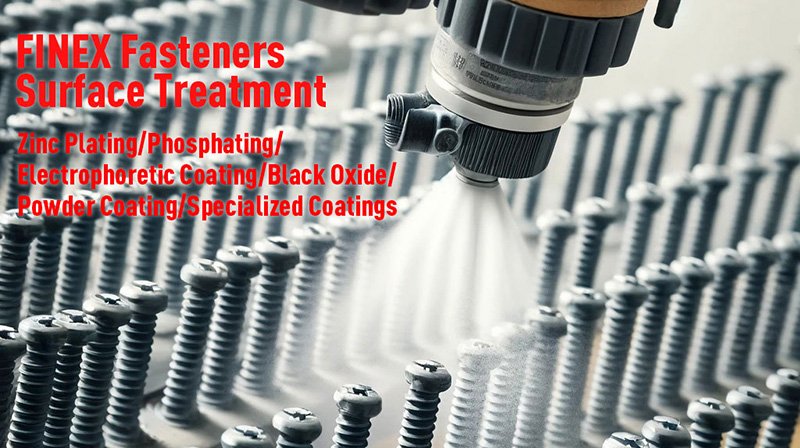
Surface Treatments
To improve the corrosion resistance and aesthetics of carbon steel screws, several surface treatments are commonly applied:
1. Galvanization
Description:
- Process: Involves coating carbon steel screws with a layer of zinc to protect against corrosion.
- Benefits: Provides excellent corrosion resistance, even in harsh environments exposed to moisture and outdoor elements.
- Applications: Ideal for construction, outdoor furniture, marine environments, and general industrial applications where durability and weather resistance are essential.
2. Zinc Plating
Description:
- Process: Electroplating carbon steel screws with a layer of zinc to create a protective barrier.
- Benefits: Enhances corrosion resistance and provides a bright, attractive finish.
- Applications: Widely used in automotive, electronics, and consumer goods industries where both performance and aesthetic appeal are important.
3. Nickel Plating
Description:
- Process: Electroplating carbon steel screws with a layer of nickel for improved corrosion resistance and durability.
- Benefits: Offers superior resistance to corrosion, abrasion, and wear compared to zinc plating.
- Applications: Suitable for applications requiring high durability and a decorative finish, such as furniture, appliances, and automotive trim.
4. Black Oxide Coating
Description:
- Process: Chemical conversion coating that creates a black oxide layer on the surface of carbon steel screws.
- Benefits: Improves corrosion resistance, enhances appearance with a black finish, and reduces light reflection.
- Applications: Commonly used in automotive, firearms, and tooling industries where a durable and aesthetically pleasing black finish is desired.
5. Phosphate Coating
Description:
- Process: Chemical treatment that deposits a layer of phosphate on the surface of carbon steel screws.
- Benefits: Enhances corrosion resistance, promotes paint adhesion, and provides a matte finish.
- Applications: Used in automotive, machinery, and industrial applications where a durable and paintable surface is required.
6. Hot-Dip Galvanization
Description:
- Process: Immersing carbon steel screws in molten zinc to create a thick, durable zinc coating.
- Benefits: Offers superior corrosion protection, especially in highly corrosive environments such as marine and coastal applications.
- Applications: Ideal for structural steel, outdoor infrastructure, and applications exposed to extreme weather conditions.
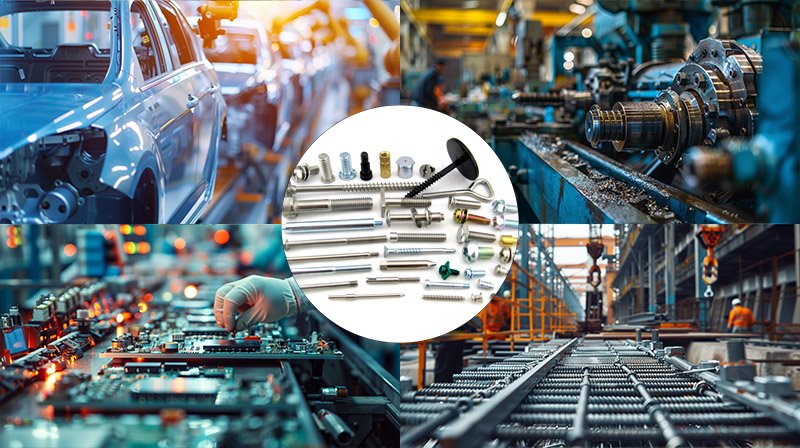
Applications of Carbon Steel Screws:
Carbon steel screws are integral components in numerous industries, valued for their strength, durability, and cost-effectiveness. Understanding their versatile applications across various sectors is crucial for selecting the right screws for specific needs. Here’s an extensive exploration of the application scenarios where carbon steel screws excel:
1. Construction Industry
Applications:
- Structural Framing: Used in building frames, wooden structures, and concrete formwork due to their high tensile strength and reliability.
- Drywall Installation: Essential for fastening drywall to metal or wooden studs, providing secure anchorage and stability.
- Roofing and Decking: Ideal for securing roofing materials and wooden decking boards in both residential and commercial construction.
2. Automotive Manufacturing
Applications:
- Assembly Line Production: Used in vehicle assembly for fastening components such as chassis, body panels, and engine parts.
- Suspension Systems: Integral in attaching suspension components, ensuring robust connections under varying loads and conditions.
- Interior Trim: Utilized for interior paneling and trim installations, offering secure and durable fastening solutions.
3. Machinery and Equipment
Applications:
- Industrial Machinery: Essential for securing machine components, gears, bearings, and conveyor systems in manufacturing plants.
- Power Tools: Used in the assembly of power tools and equipment where high torque resistance and reliability are crucial.
- Agricultural Equipment: Employed in agricultural machinery for assembling parts that require strength and resilience to dynamic stresses.
4. Furniture Manufacturing
Applications:
- Cabinetry and Joinery: Used for assembling cabinets, drawers, and furniture frames, providing strong and durable joints.
- Upholstery and Bed Frames: Secures upholstery fabrics and bed frame components, ensuring structural integrity and longevity.
- Outdoor Furniture: Suitable for assembling outdoor furniture due to their corrosion-resistant coatings and robust fastening capabilities.
5. Consumer Electronics and Appliances
Applications:
- Electronics Assembly: Used in the assembly of consumer electronics and appliances where reliable fastening is essential for product durability.
- Household Appliances: Secures components in appliances such as refrigerators, washing machines, and ovens, ensuring operational stability and safety.
- Small Appliances: Utilized for fastening components in smaller household gadgets and devices where precision and reliability are critical.
6. General Manufacturing and Maintenance
Applications:
- Metal Fabrication: Used in metalworking and fabrication processes for securing metal components and structures.
- Repair and Maintenance: Essential for maintenance tasks across various industries, providing quick and efficient fastening solutions.
- DIY Projects: Ideal for hobbyists and DIY enthusiasts for a wide range of projects requiring reliable and cost-effective fasteners.
Conclusion
Carbon steel screws, with their high strength, durability, and cost-effectiveness, play a crucial role across various industries and applications. Understanding the types, pricing, advantages and disadvantages, surface treatments, and application scenarios of carbon steel screws helps you choose the most suitable screws for specific projects, ensuring the performance and reliability of fasteners.
As a leading fastener manufacturer, FINEX offers a range of high-quality carbon steel screws to meet diverse application needs. Visit our website to explore our full product line and find the best solutions for your projects. Whether in construction, machinery manufacturing, or home repair, FINEX’s carbon steel screws provide reliable support and service.