


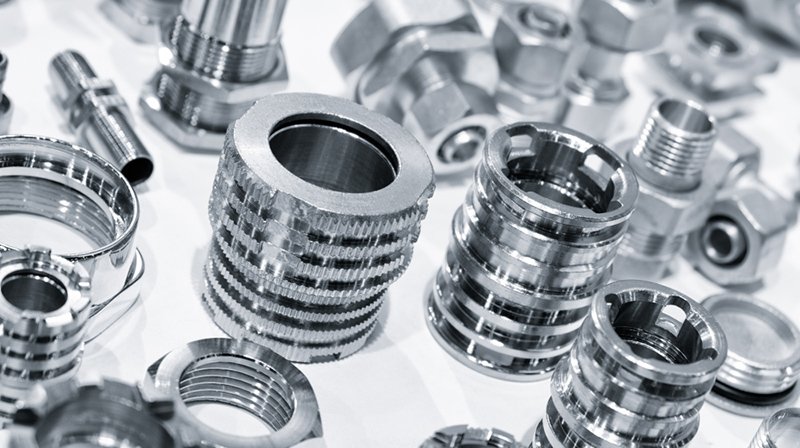
In the medical industry, precision, reliability, and compliance with stringent standards are paramount. CNC machining parts play a crucial role in ensuring the highest levels of accuracy and quality in medical devices and equipment. This article explores the significance of CNC machining in the medical field, the stringent standards required, and the unique benefits it offers.
The Importance of CNC Machining in the Medical Industry
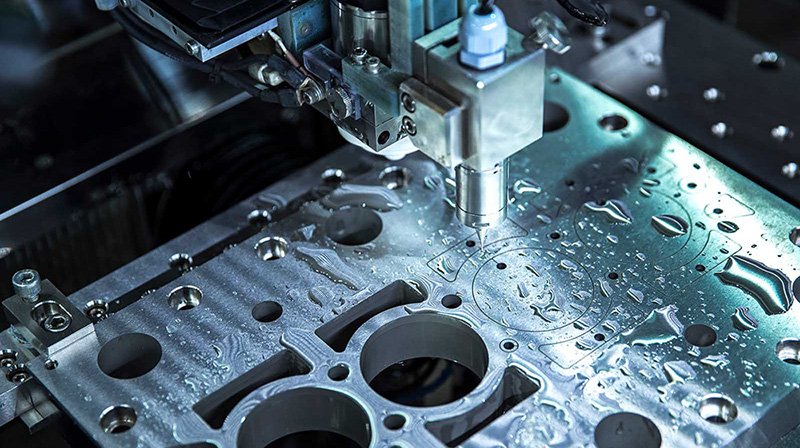
CNC (Computer Numerical Control) machining is a manufacturing process where pre-programmed computer software dictates the movement of factory tools and machinery. This technology allows for the creation of highly precise and complex parts, which is essential in the medical industry. Medical devices and equipment often have intricate designs and tight tolerances that must be met to ensure proper functionality and safety.
Meeting Stringent Standards
Medical devices and equipment must comply with rigorous standards to ensure safety and efficacy. CNC machining helps meet these standards in several ways:
- Precision and Accuracy
- CNC machining provides unmatched precision, producing parts with tight tolerances and high repeatability. This is critical for medical components that must fit together perfectly and perform reliably.
- Compliance with Industry Standards
- Medical parts manufactured using CNC machining must comply with industry standards such as ISO 13485 and FDA regulations. CNC machining allows for precise control over the manufacturing process, ensuring that parts meet these stringent requirements.
- Material Selection
- CNC machining supports a wide range of biocompatible materials such as stainless steel, titanium, and medical-grade plastics. These materials are essential for creating parts that will come into contact with the human body and must meet strict biocompatibility standards.
Applications of CNC Machining in the Medical Industry
CNC machining is used to produce a variety of medical components, each requiring high precision and reliability:
- Surgical Instruments
- CNC machining is used to manufacture surgical instruments such as scalpels, forceps, and scissors. These instruments require precise edges and intricate designs to perform delicate procedures.
- Implants
- Implants such as hip joints, dental implants, and spinal cages are often made using CNC machining. The precision of CNC machining ensures that these implants fit perfectly and function as intended within the human body.
- Diagnostic Equipment
- Components for diagnostic equipment such as MRI machines, CT scanners, and ultrasound devices are produced using CNC machining. The accuracy of these components is vital for the proper functioning of diagnostic equipment.
- Prosthetics
- CNC machining is used to create custom prosthetics that match the exact dimensions of a patient’s anatomy. This customization is crucial for comfort and functionality.
Benefits of CNC Machining in the Medical Industry
CNC machining offers several unique benefits that make it ideal for manufacturing medical parts:
- High Precision and Consistency
- CNC machining provides unparalleled precision and consistency, ensuring that each part meets the exact specifications required for medical applications.
- Flexibility in Design
- CNC machining allows for the production of complex and intricate designs that are often required in medical devices. This flexibility enables the creation of innovative solutions to meet specific medical needs.
- Rapid Prototyping
- CNC machining is ideal for rapid prototyping, allowing medical device manufacturers to quickly produce and test new designs. This accelerates the development process and brings new products to market faster.
- Scalability
- CNC machining is scalable, making it suitable for both small batch production and high-volume manufacturing. This scalability is essential for medical device manufacturers who need to adjust production levels based on demand.
- Cost-Effectiveness
- While the initial setup costs for CNC machining can be high, the precision and efficiency of the process result in lower long-term production costs. This cost-effectiveness is beneficial for producing high-quality medical parts.
Conclusion
CNC machining is an indispensable technology in the medical industry, offering the precision, reliability, and compliance required to meet the highest standards. From surgical instruments to implants and diagnostic equipment, CNC machining plays a vital role in ensuring the safety and efficacy of medical devices. By leveraging the benefits of CNC machining, medical device manufacturers can produce innovative and high-quality products that improve patient outcomes and advance the field of medicine.