


Causes of De-Ringing in Nylon Locking Nuts
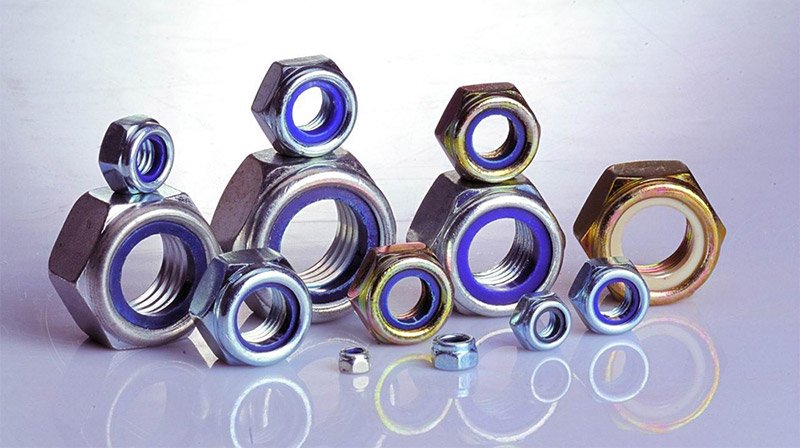
Nylon locking nuts have gained widespread popularity across numerous industries for their distinct design and practical functionality. These nuts are engineered with a nylon insert that plays a crucial role in providing resistance and preventing the loosening of fasteners. However, like any mechanical component, they are not without their share of issues, and one of the most prevalent concerns is de-ringing.
The de-ringing phenomenon occurs when the nylon insert within the locking nut detaches or becomes damaged. This can happen due to several factors. Excessive torque applied during installation is a primary cause. When too much force is exerted, the delicate nylon insert can be deformed or even torn, significantly diminishing its locking capability. For instance, in a hurried assembly process, workers might over-tighten the nuts without realizing the potential damage they are inflicting.
Repeated vibrations and fluctuating temperature changes also contribute to de-ringing. In applications such as the automotive or aerospace industries, where there is constant machinery vibration, the nylon insert is constantly subjected to stress. Over time, this can cause the nylon to gradually lose its grip and eventually separate from the nut. Similarly, in environments with extreme temperature variations, the nylon may expand or contract at a different rate than the metal nut, leading to stress on the interface and potentially causing de-ringing.
Consequences of De-Ringing
The consequences of de-ringing can be far-reaching and serious. In critical applications like those in the automotive and aerospace sectors, a loose nut can pose a significant safety hazard. It could lead to components coming apart unexpectedly, resulting in equipment failure, and in the worst-case scenario, accidents that endanger human lives. In industrial settings, de-ringing can cause costly downtime as faulty nuts need to be replaced. This not only disrupts production but also incurs additional expenses for maintenance and replacement parts.
Solutions to De-Ringing
To tackle the issue of de-ringing, several effective measures can be implemented. Firstly, adhering to the correct installation procedures and torque specifications is of utmost importance. The use of a torque wrench ensures that the nuts are tightened to the precise level recommended by the manufacturer. This helps avoid over-tightening and reduces the risk of damaging the nylon insert. Additionally, workers should be trained on proper installation techniques to ensure consistent and accurate fastening.
Secondly, choosing high-quality nylon locking nuts from reputable manufacturers is essential. Reputable manufacturers conduct extensive testing on their products to ensure they can withstand a wide range of environmental conditions. These nuts are often made with superior materials and manufacturing processes that enhance their durability and reliability. By opting for quality products, the likelihood of de-ringing can be significantly reduced.
Regular inspection and maintenance of nuts are also crucial in preventing de-ringing. Visual inspections should be carried out periodically to check for signs of damage or loosening. If any issues are detected, immediate action should be taken to address them. This might involve retightening the nuts or replacing damaged ones. By staying vigilant and proactive in maintenance, the risk of de-ringing can be minimized, and the lifespan of the nuts can be extended.
In conclusion, while nylon locking nuts offer many advantages, the problem of de-ringing must not be overlooked. By understanding the causes of de-ringing and implementing appropriate measures such as correct installation, choosing quality products, and conducting regular maintenance, the reliability and safety of nylon locking nuts can be greatly enhanced. This not only ensures the smooth operation of various industries but also safeguards the well-being of those who rely on these components.