


Stainless steel fasteners are widely used in various industries due to their corrosion resistance, durability, and aesthetic appeal. However, with the market flooded with different types of fasteners, it can be challenging to identify genuine stainless steel ones. This article aims to provide a comprehensive guide on how to distinguish stainless steel fasteners from other types, ensuring the selection of high-quality and reliable fastening solutions.
1. Material Grade Identification
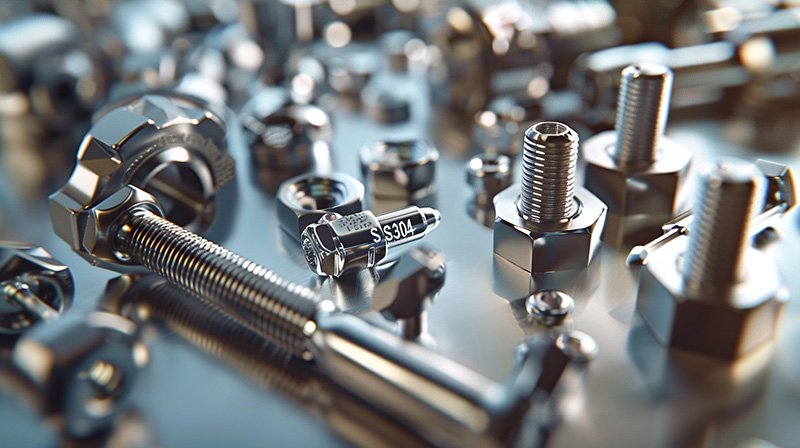
The first step in distinguishing stainless steel fasteners is to identify their material grade. Stainless steel is graded based on its composition, with common grades including 304, 316, and 18-8. Look for markings or stamps on the fasteners indicating the grade, such as “SS304” or “SS316”. These markings signify the specific alloy composition and corrosion resistance properties of the stainless steel.
2. Magnetic Test
Stainless steel is generally non-magnetic, unlike other ferrous metals such as carbon steel. To perform a magnetic test, use a magnet and place it near the fastener. If the fastener is attracted to the magnet, it is likely not made of stainless steel. Genuine stainless steel fasteners will exhibit minimal or no magnetic attraction.
3. Visual Inspection
Inspect the appearance of the fasteners for signs of rust, discoloration, or corrosion. Stainless steel fasteners should maintain their metallic luster and remain free from rust or stains, even when exposed to harsh environments. Any signs of corrosion or discoloration may indicate that the fasteners are not genuine stainless steel.

4. Corrosion Resistance Test
Conduct a corrosion resistance test by exposing the fasteners to corrosive substances or environments. Genuine stainless steel fasteners should demonstrate excellent resistance to corrosion, even when exposed to saltwater or acidic solutions. Any signs of rust or corrosion after exposure suggest that the fasteners may not be made of stainless steel or may have inferior quality.
5. Professional Verification
For critical applications or when in doubt, seek professional verification of the fasteners’ material composition. Certified testing laboratories or experienced professionals can perform chemical analysis or material testing to determine the authenticity and quality of stainless steel fasteners.
Conclusion:
By following these guidelines, individuals and industries can confidently identify genuine stainless steel fasteners, ensuring optimal performance and longevity in various applications. Choosing the right fasteners not only guarantees structural integrity but also contributes to cost savings and safety in the long run.