


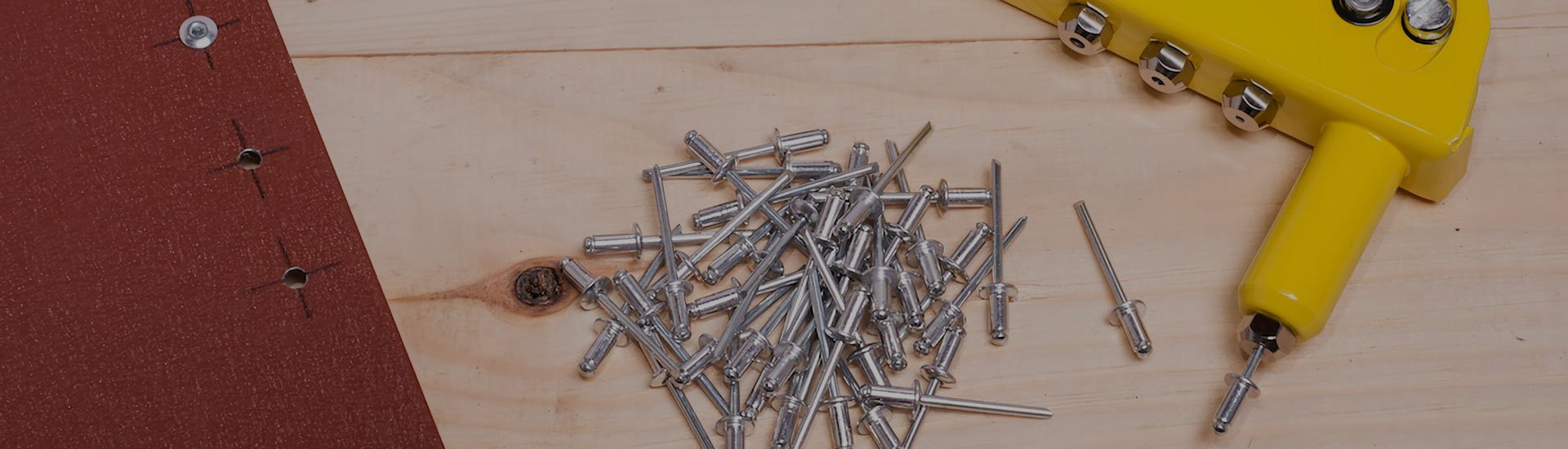
What is Rivets?
A rivet is a nail – shaped object used to connect two parts with a through hole and a cap at one end. In riveting, the use of self – deformation or interference to join the riveted parts.
Commonly used are R rivet, fan rivet, core rivet (core rivet), tree rivet, half round head, flat head, half hollow rivet, solid rivet, countersunk head rivet, core rivet, hollow rivet, these are usually the use of their own deformation connection rivets.
Rivets By Features

Blind rivet is a kind of single-side rivet, open flat head blind rivet is the most widely used, countersunk head blind rivet is suitable for smooth surface riveting occasions, closed blind rivet is suitable for riveting occasions requiring higher load and certain sealing performance
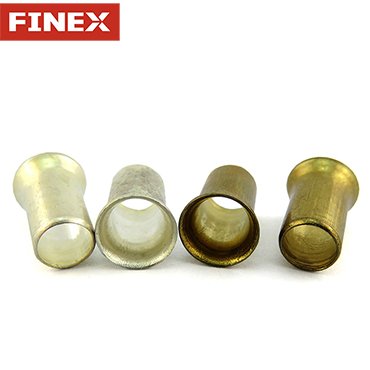
Hollow rivets are usually used in clothing, footwear and other industries. Hollow rivet on the basis of the semi-hollow rivet will be processed to the end of the hollow rivet, due to light weight, the head is weak, more used for riveting with load non-metallic materials occasions

Solid rivets are another type of single-sided rivets, when riveting, hit the head of the rivet with a hand hammer to expose the nail core, so that it is level with the end face of the nail head, that is, the riveting operation is completed, which is very convenient

Leather rivet is one of the commonly used accessories on bags and belts. It is easy to install and has decorative function. It can also be customized according to the needs of customers’ products

Customized rivets mainly provide the corresponding head and riveting mode customization according to customers’ product application scenarios and drawing requirements.

Semi Tubular Rivets is divided into solid structure on the upper and middle, and the tail is hollow structure. When installing, the hollow part of the tail is squeezed outward, forming a buckle and fixing the connector. Mainly used to bear the load of non-metallic materials riveting occasions
Features of FINEX Rivet

We can ensure the size of each rivet in a reasonable tolerance range, strictly control the wall thickness and cap thickness of the rivet, so that it can achieve the best tensile performance.

FINEX rivets have high clamping force and high shear resistance, enabling a reliable tight connection. The problem of loosening under vibration is fundamentally solved.

We can provide customized solutions for rivets according to customers’ requirements, so as to obtain the best connection effect between rivets and fixed workpiece materials, and avoid riveting failure caused by material differences

FINEX rivets have bright appearance and excellent corrosion resistance, so they are widely used in construction, automobiles, ships, aircraft, luggage, machinery, electrical appliances, furniture and other products.
How to use blind rivets correctly?
Blind rivets have a wide range of riveting, quick installation, stable and reliable performance, and are used in processing and manufacturing industries around the world
- Load the rivet into the nozzle and insert it into the pre-drilled hole
- Start the tool, pull the rivet to expand and expand, and fill the workpiece hole
- When the load reaches a predetermined value, the rivet breaks flat at the head and the nail rod is locked in the rivet

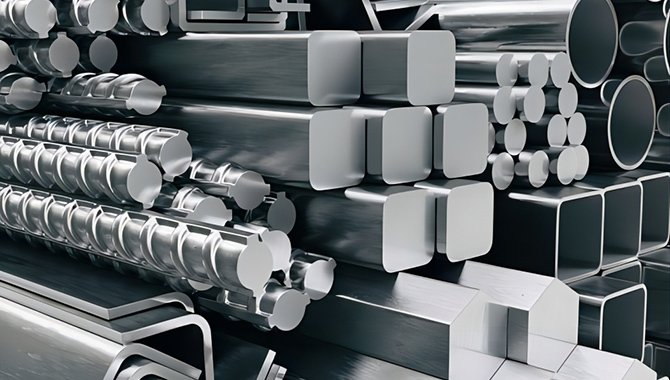
Common Materials and Characteristics of Rivets
We can customize rivets of different materials according to customers’ requirements, each metal has unique characteristics and advantages:
- Aluminum alloy: With excellent resistance to deterioration, it is commonly used in lightweight applications such as aviation, automotive, etc
- Stainless Steel: These rivets have excellent corrosion resistance and are suitable for applications requiring long term use or in humid environments
- Copper: Copper has excellent thermal and electrical conductivity and is commonly used to connect circuit boards and other electronic devices
- Brass: Is a flexible, low friction material that is most suitable for rivets in gas-fired equipment