



Screws are ubiquitous in our modern world, serving as essential connectors in a wide range of applications, from assembling furniture to powering heavy machinery. Their versatility and various types cater to diverse needs across different industries. In this article, we explore the fundamental types of screws, their applications, and their significance in connecting the various aspects of our daily lives.
Understanding the Basics of Screws
Screws are mechanical fasteners characterized by helical ridges, known as threads, that wrap around a cylindrical shaft. This threaded design allows screws to create strong and secure connections by engaging with corresponding threads in materials like wood, metal, or plastic.
Types of Screws
- Wood Screws: Designed with coarse threads and a sharp point, wood screws are specifically made for fastening wood to wood or wood to metal. They come in various lengths and diameters to accommodate different thicknesses of wood.
- Machine Screws: These screws have finer threads and are primarily used with nuts or tapped holes in metal or other hard materials. They are crucial in machinery assembly and are available in a wide range of sizes and head types (e.g., flat, pan, oval).
- Sheet Metal Screws: Sheet metal screws feature sharp threads and a sharp point designed to penetrate and securely fasten metal sheets, fiberglass, or plastic. They often have a self-tapping design for ease of installation.
- Self-tapping Screws: These screws have a unique thread design that allows them to create their own threads as they are driven into materials like metal or plastic. They eliminate the need for pre-drilling, making them ideal for quick assembly jobs.
Applications Across Industries
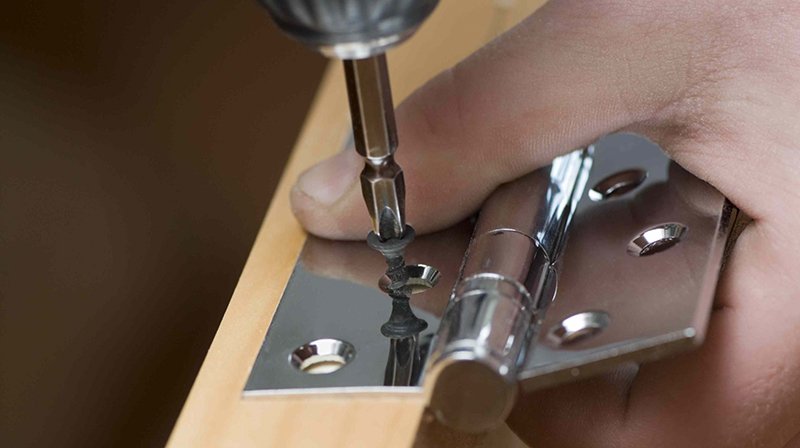
Furniture Assembly: Screws play a crucial role in assembling furniture, providing strong joints that withstand daily use and movement. They ensure stability and durability in chairs, tables, cabinets, and other household items.
Construction and Building: In construction, screws are used for structural framing, drywall installation, and attaching fixtures. Their ability to provide strong, reliable connections makes them indispensable in building homes, offices, and infrastructure.
Automotive and Machinery: Screws are essential components in vehicles and machinery, where they secure parts and components. They contribute to the assembly of engines, chassis, and various mechanical systems, ensuring reliability and performance.
Electronics and Appliances: Precision screws, such as micro screws and shoulder screws, are vital in electronics and appliance manufacturing. They enable the assembly of delicate components with precise alignment and secure connections.
Significance in Daily Life
From the furniture we sit on to the vehicles we drive, screws silently connect and hold together the fabric of our daily lives. Their reliability, versatility, and strength make them indispensable in both industrial and domestic settings, contributing to the functionality and longevity of countless products and structures.
Conclusion
Screws are more than just fasteners; they are the unseen heroes connecting our world. Whether in furniture assembly, construction projects, automotive engineering, or electronics manufacturing, screws play a pivotal role in ensuring safety, stability, and functionality. Understanding the different types and applications of screws helps us appreciate their importance in our interconnected world.
At FINEX, we recognize the critical role that screws play in various industries. We offer a comprehensive range of high-quality screws designed to meet diverse needs and specifications. Explore our selection of screws and other fasteners to find the perfect solution for your next project. Visit our website to learn more about how FINEX can support your endeavors with reliable and innovative fastening solutions.