


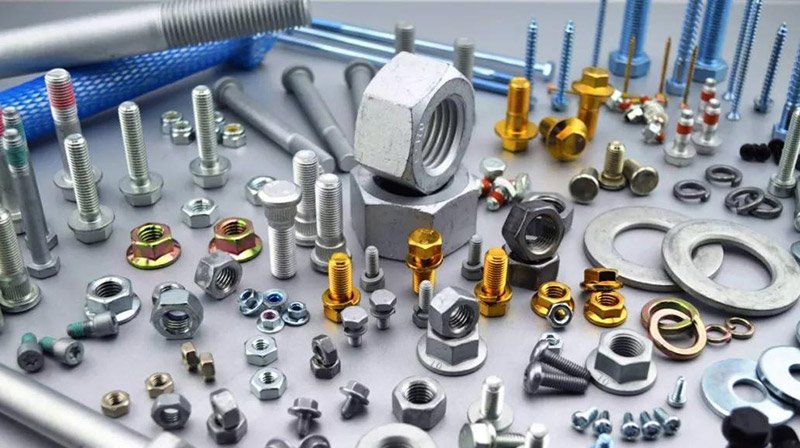
The chemical industry is one of the most demanding environments for fasteners. The materials, processes, and conditions involved require fasteners that can withstand extreme temperatures, corrosive substances, and rigorous mechanical stresses. In this article, we will explore the critical performance requirements for fasteners used in the chemical industry and the specific environments where these specialized fasteners are essential.
Performance Requirements for Chemical Industry Fasteners
- Corrosion Resistance
- Importance: Fasteners in the chemical industry are frequently exposed to highly corrosive substances such as acids, alkalis, and solvents. Corrosion resistance is paramount to prevent material degradation that could lead to equipment failure, leaks, or contamination of the chemical processes.
- Materials: Stainless steel alloys, particularly austenitic grades like 316 and 317, are commonly used due to their excellent corrosion resistance. Additionally, superalloys like Hastelloy and Inconel are preferred for environments involving highly aggressive chemicals.
- High Temperature Resistance
- Importance: Chemical processes often involve extreme temperatures, whether in the manufacturing of chemicals or the processing of materials. Fasteners must maintain their structural integrity and performance under these conditions.
- Materials: Fasteners made from high-temperature alloys, such as Inconel, or those treated with special coatings to withstand high temperatures, are commonly used. These materials prevent oxidation, creep, and thermal expansion issues that could compromise the safety and efficiency of chemical operations.
- Mechanical Strength
- Importance: In chemical processing, fasteners must endure mechanical stresses such as pressure, vibration, and dynamic loads. High mechanical strength is essential to ensure the fasteners can maintain tight connections and prevent failures in critical applications.
- Materials: High-strength alloys, including duplex stainless steel and titanium, are often used to provide the necessary tensile and yield strength. These materials ensure that the fasteners can withstand the mechanical demands of the chemical industry.
- Chemical Compatibility
- Importance: Fasteners must be compatible with the chemicals they will contact to prevent reactions that could weaken the fastener material or contaminate the chemical process.
- Materials: Depending on the specific chemicals involved, materials such as PTFE (polytetrafluoroethylene) coated fasteners or fasteners made from exotic alloys like Monel may be required to ensure chemical compatibility.
Usage Environments for Chemical Industry Fasteners
- Petrochemical Plants
- Challenges: Petrochemical plants handle hydrocarbons and other volatile chemicals at high temperatures and pressures. Fasteners in this environment must resist corrosion, maintain mechanical integrity, and prevent leaks that could lead to hazardous situations.
- Solutions: Fasteners made from duplex stainless steel or Inconel are commonly used in petrochemical plants for their ability to withstand these harsh conditions.
- Pharmaceutical Manufacturing
- Challenges: In pharmaceutical manufacturing, contamination is a major concern. Fasteners must not only resist chemical corrosion but also be easy to clean and maintain in sterile environments.
- Solutions: Stainless steel fasteners, particularly those with smooth surfaces and minimal crevices, are preferred to prevent contamination and facilitate easy cleaning.
- Chemical Storage Tanks
- Challenges: Storage tanks for chemicals, especially those containing acids and alkalis, require fasteners that can withstand constant exposure to corrosive substances and varying temperatures.
- Solutions: Hastelloy fasteners, known for their superior resistance to acid corrosion, are often used in these applications to ensure the longevity and safety of the storage tanks.
- Pulp and Paper Industry
- Challenges: The pulp and paper industry involves the use of strong chemicals like chlorine and sulfur compounds, as well as high-temperature processes. Fasteners must resist both corrosion and high temperatures to prevent equipment failures.
- Solutions: Fasteners made from corrosion-resistant alloys like titanium or coated with protective layers are commonly used in this industry to handle the aggressive chemicals and thermal conditions.
- Water Treatment Facilities
- Challenges: Water treatment involves the use of chemicals such as chlorine, which can be highly corrosive. Fasteners in this environment must be resistant to both corrosion and the potential biofouling that can occur in wet conditions.
- Solutions: Stainless steel fasteners, particularly those with passivation treatments, are commonly used to provide the necessary corrosion resistance in water treatment facilities.
Conclusion
Fasteners used in the chemical industry must meet stringent performance requirements, including corrosion resistance, high-temperature tolerance, mechanical strength, and chemical compatibility. The selection of appropriate fastener materials is crucial for ensuring the safety, efficiency, and longevity of chemical processing equipment. By understanding the specific demands of various environments within the chemical industry, manufacturers and engineers can choose the best fasteners for their applications, ensuring optimal performance and reliability.