


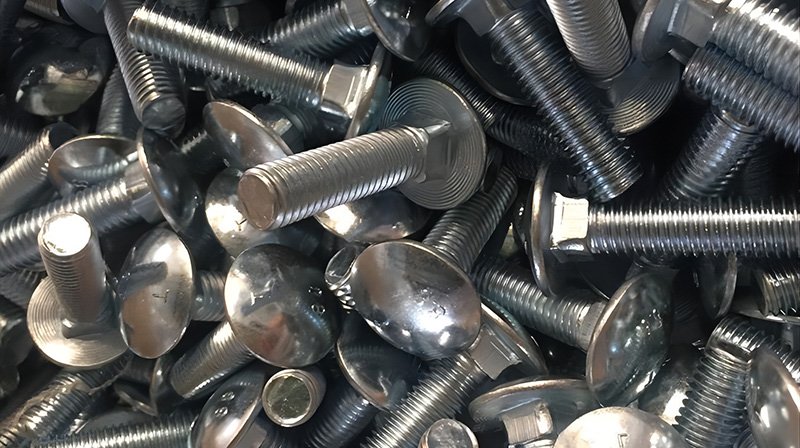
Carriage bolts are a distinctive type of fastener, easily recognizable by their rounded heads and square necks. Known for their versatility and strength, these bolts are widely used in construction, woodworking, and various DIY projects. In this comprehensive guide, we will walk you through everything you need to know about carriage bolts, from how to select the right one to the proper installation techniques.
Understanding Carriage Bolts
Carriage bolts are designed with a smooth, rounded head and a square neck that prevents the bolt from turning once it’s been fixed in place. This makes them ideal for applications where a smooth finish is desired, and where the bolt needs to be held securely in place during tightening.
Selecting the Right Carriage Bolt
Choosing the correct carriage bolt for your project involves several considerations:
- Material: Carriage bolts come in various materials, including stainless steel, galvanized steel, and zinc-plated steel. For outdoor projects or environments exposed to moisture, stainless steel or galvanized options are best due to their corrosion resistance.
- Size: The length and diameter of the bolt should be appropriate for the materials being fastened. Ensure that the bolt is long enough to pass through all materials and allow for a washer and nut on the other end.
- Thread Type: Most carriage bolts have standard threading, but some projects may require fine threading for more precise adjustments and secure fastening.
Steps for Installing Carriage Bolts
Proper installation of carriage bolts is crucial to ensure the strength and integrity of the connection. Follow these steps for a successful installation:
- Drill the Hole: Use a drill bit that matches the diameter of the bolt shank. The hole should be drilled through all the materials that the bolt will fasten together.
- Insert the Bolt: Push the carriage bolt through the hole, ensuring that the square neck fits snugly into the material. This will prevent the bolt from turning as you tighten the nut.
- Add a Washer: Place a washer over the protruding end of the bolt. The washer distributes the load and prevents damage to the surface of the material.
- Tighten the Nut: Thread a nut onto the end of the bolt and tighten it using a wrench. Ensure the head of the carriage bolt remains flush with the surface of the material.
- Check for Stability: After tightening, check the connection for stability. The bolt should be secure and not move when pressure is applied.

Tips for a Successful Installation
- Pre-drill Pilot Holes: For harder materials like metal or hardwood, pre-drilling pilot holes can make it easier to insert the carriage bolt and prevent splitting.
- Use Lock Washers: To prevent the nut from loosening over time due to vibrations, consider using lock washers.
- Maintain Alignment: Ensure that the materials being fastened are properly aligned before tightening the nut to avoid misalignment and structural issues.
Conclusion
Carriage bolts are a versatile and reliable fastener suitable for a variety of applications. By understanding how to select the right bolt and following proper installation techniques, you can ensure that your projects are built to last.
At FINEX, we are committed to providing high-quality carriage bolts and other fasteners that meet the highest standards of durability and performance. Our extensive product range ensures that you can find the perfect solution for your specific needs. Visit our website to explore our full range of products and take the first step towards a successful and secure project. Whether you are a professional contractor or a DIY enthusiast, FINEX has the right fasteners to help you achieve your goals.