


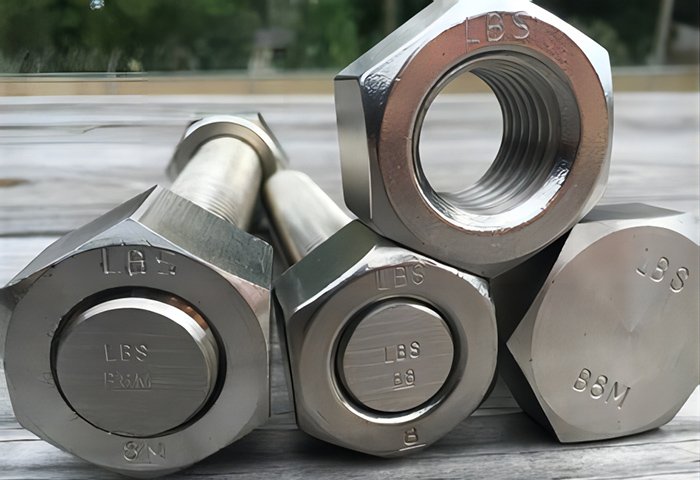
In the fields of engineering and manufacturing, screw connections stand as a common and crucial method of joining components. However, with usage and vibrations, screws can easily become loose, potentially leading to serious issues. To ensure the reliability and safety of connections, adopting suitable anti-loosening methods is of paramount importance. This article will introduce several prevalent methods for preventing screw loosening, aiding in a better understanding of how to ensure steadfast connections.
1. Washers and Spring Washers
Incorporating washers or spring washers between screws and nuts represents a simple yet effective anti-loosening approach. These washers can augment the friction force within the connection, thereby reducing the likelihood of screw loosening. The material selection and design of washers are critical in achieving the desired anti-loosening effect.
2. Lock Nuts and Washer Nuts
Lock nuts and washer nuts are specially designed nuts intended to prevent screw loosening. They often boast unique thread designs that generate higher friction during the connection process, effectively thwarting self-loosening of screws.
3. Application of Locking Adhesives
Locking adhesives are coatings applied to the threaded surfaces of screws and nuts. These adhesives enhance friction and contribute to a more secure connection. They are suitable for various materials and environments, exhibiting remarkable performance even in high-temperature and chemically challenging settings.
4. Elastic Nuts
Elastic nuts possess distinct structures capable of maintaining their fastened state amidst vibrations and temperature fluctuations. They utilize internal elastic components to sustain the tightness of the connection, proving beneficial for scenarios requiring prolonged stability.
5. Bolt Locking Devices
Bolt locking devices, such as bolt-locking nuts and bolt-locking wire coils, are ingeniously designed components that effectively prevent screw loosening. These devices are meticulously crafted to account for loosening factors, providing an added layer of assurance.
6. Grommets and Lock Washers
Grommets and lock washers can introduce damping and fastening force into connections, thereby diminishing the risk of screw loosening. They offer unique advantages in specific applications, particularly those involving vibration absorption and impact resistance.
7. Torque Control During Tightening
Precise torque control during tightening ensures that screws attain the appropriate pre-load force during connection. This aids in preventing screw loosening amidst vibrations and usage.
Selecting the appropriate anti-loosening method necessitates a comprehensive consideration of factors including material composition, working environment, vibration frequency, and connection significance. In some cases, combining multiple methods might be necessary to achieve optimal outcomes. Regardless of the chosen method, engineering analysis and testing are essential to guarantee the reliability and safety of connections. By employing the right anti-loosening techniques, you can ensure the stability of connections, reduce maintenance costs, and extend the lifespan of equipment.